


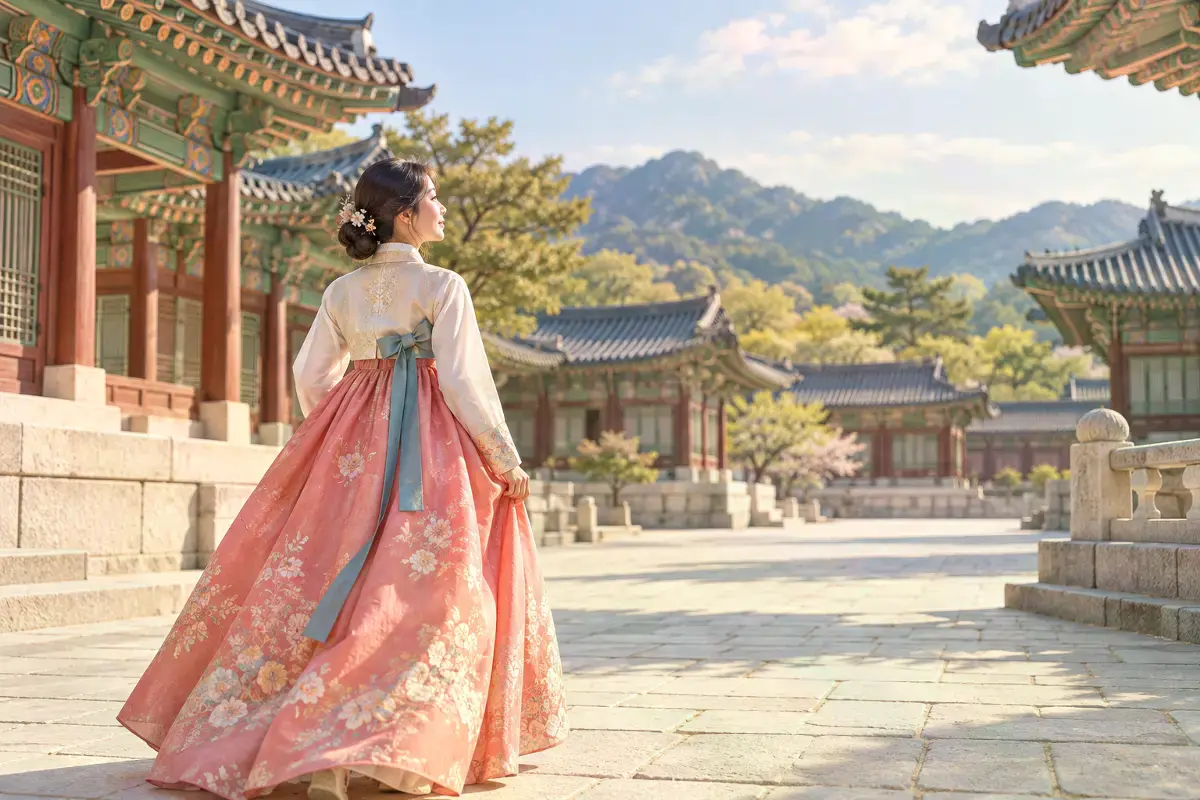
Wear Hanbok to the Palaces, Then Complete Your Own Korea Trip in Bukchon Hanok Village
If you want to experience Korean traditional culture in one day, it is better to start with a “flow” rather than just “photos.” The idea is to wear hanbok and take photos at a palace, then move to Bukchon Hanok Village for hanok alleyways, craft experiences, and a cafe break. Even without choosing a specific palace or shop, setting the main axis as hanbok, palaces, and Bukchon makes it easier for foreign visitors to understand Korean-style scenes.
Korea-Experience Pass in this story
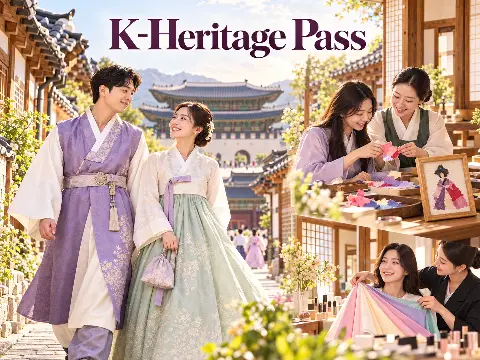 Korea-Experience Pass
K-Heritage Pass
Shop now
The first step is wearing hanbok and visiting a palace. Since moving in hanbok feels different from everyday clothing, first check anything that may become uncomfortable during a long walk, such as shoes, bags, and hair accessories. At the palace, it is safer to check entry rules, permitted photo areas, and dress-related guidance on-site rather than focusing only on finding good photo backgrounds. Specific free admission, operating hours, and rental conditions may differ by location and provider.
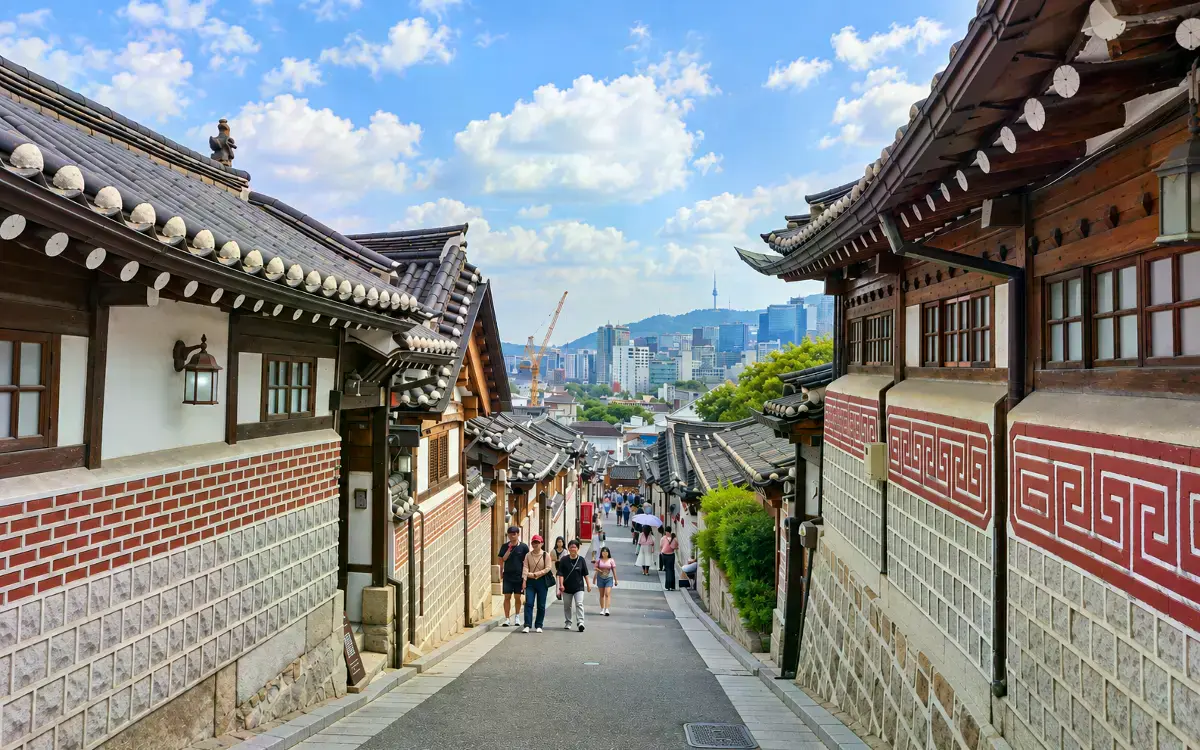
After visiting the palace, you can make Bukchon Hanok Village the next part of the route. Bukchon is easy to understand as a neighborhood where hanok houses are gathered, but not every space may be a tourist facility. In the alleys, plan a short walking route rather than staying in one place loudly for a long time, and check signs or private property markings before taking photos. It is also better to decide whether to keep wearing hanbok or change midway based on your energy level and reservation times.
Use this while you're here
 Coupon
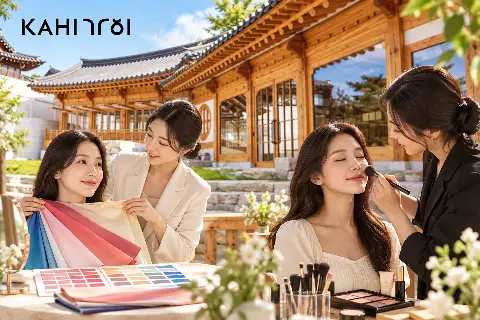
KAHI Bukchon Personal Color and Makeup Experience
Get deal
In Bukchon, hanji and mother-of-pearl experiences can be placed at the center of the itinerary. Hanji can be approached as an experience of directly handling the texture and colors of paper, while mother-of-pearl uses decorative materials that change with the light, making the finished result easier for foreign visitors to understand. However, experience duration, language support, how completed items are received, and whether reservations are required may vary by provider, so check before visiting.
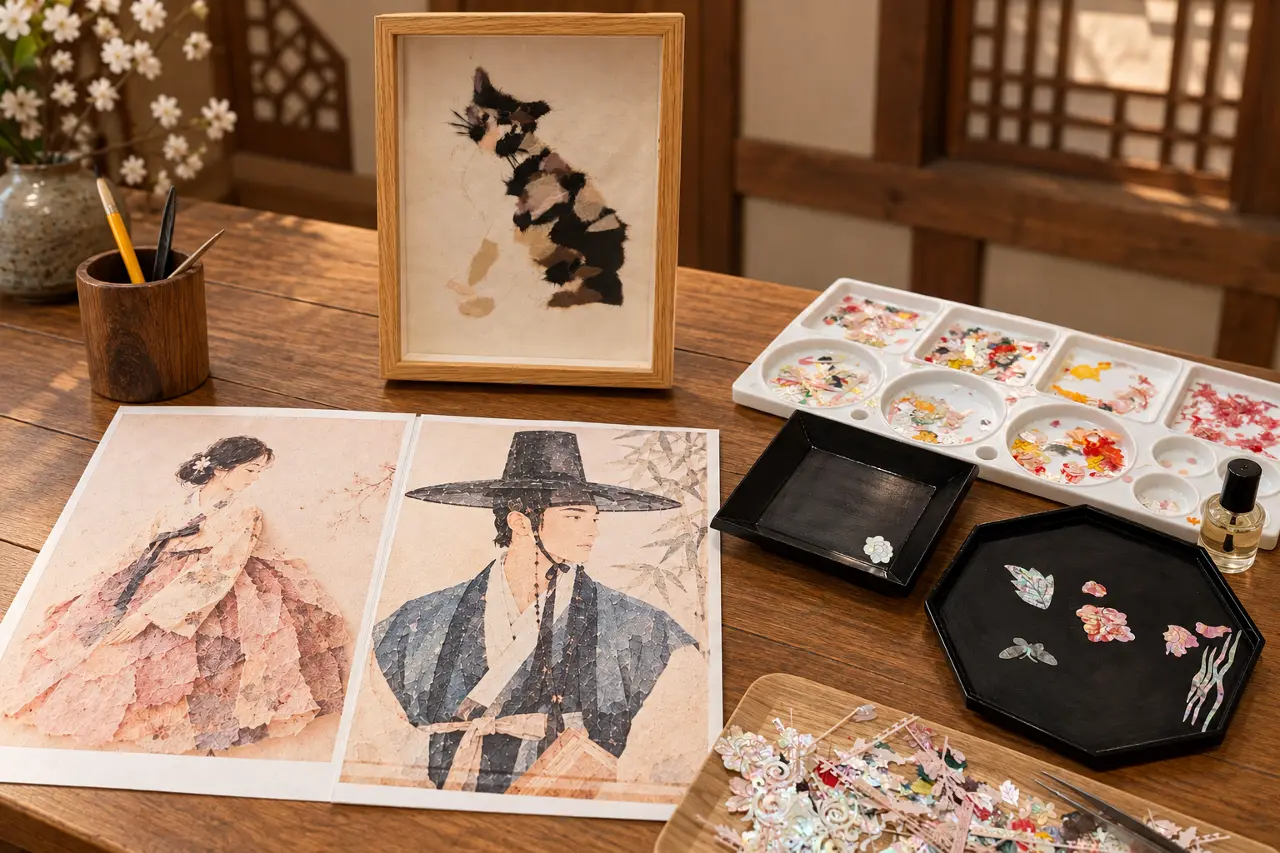
After the experience, setting aside a hanok cafe as a rest stop can make the day feel less rushed. Some hanok cafes simply serve drinks, while others may also offer simple personal color checks or makeup experiences. If you want to include this in your itinerary, check whether it is available directly inside the cafe, whether a separate reservation is needed, and what languages explanations are offered in. It is best not to take beauty or diagnostic results as if they were professional consultations.
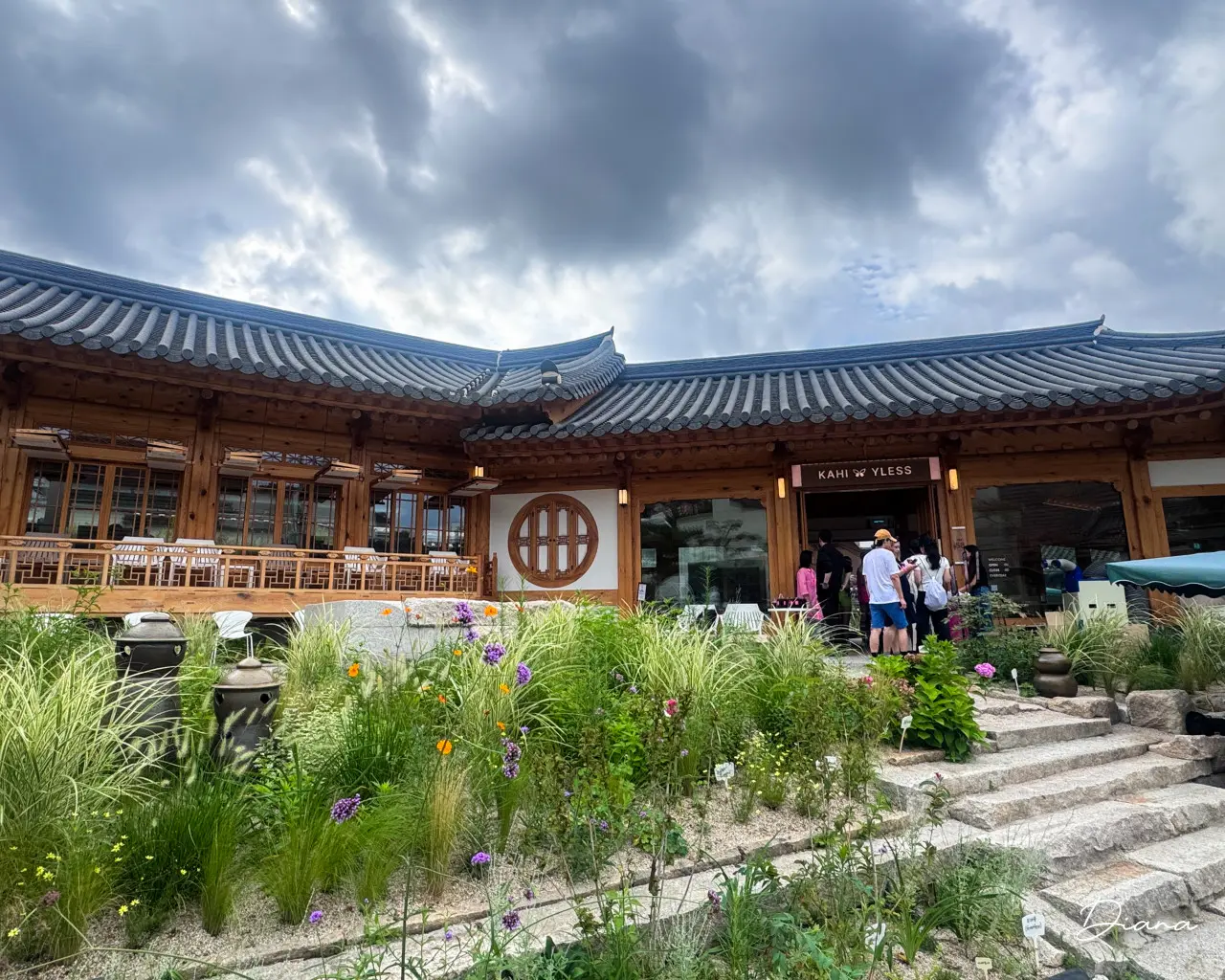
The core of this course is not to check off many places, but to understand traditional clothing, palace spaces, a hanok neighborhood, and handmade crafts as one connected flow. If you schedule travel time and staying time too tightly, one part—wearing hanbok, taking photos, joining an experience, or using a cafe—may become rushed. Before visiting, check palace guidance, on-site etiquette in Bukchon, experience reservations, and the scope of cafe services separately, and on-site, prioritize posted notices and staff explanations.
In this story
Coupon
Coupon
KAHI Bukchon Personal Color and Makeup Experience
Get deal
Korea-Experience Pass
Korea-Experience Pass
K-Heritage Pass
Shop now