


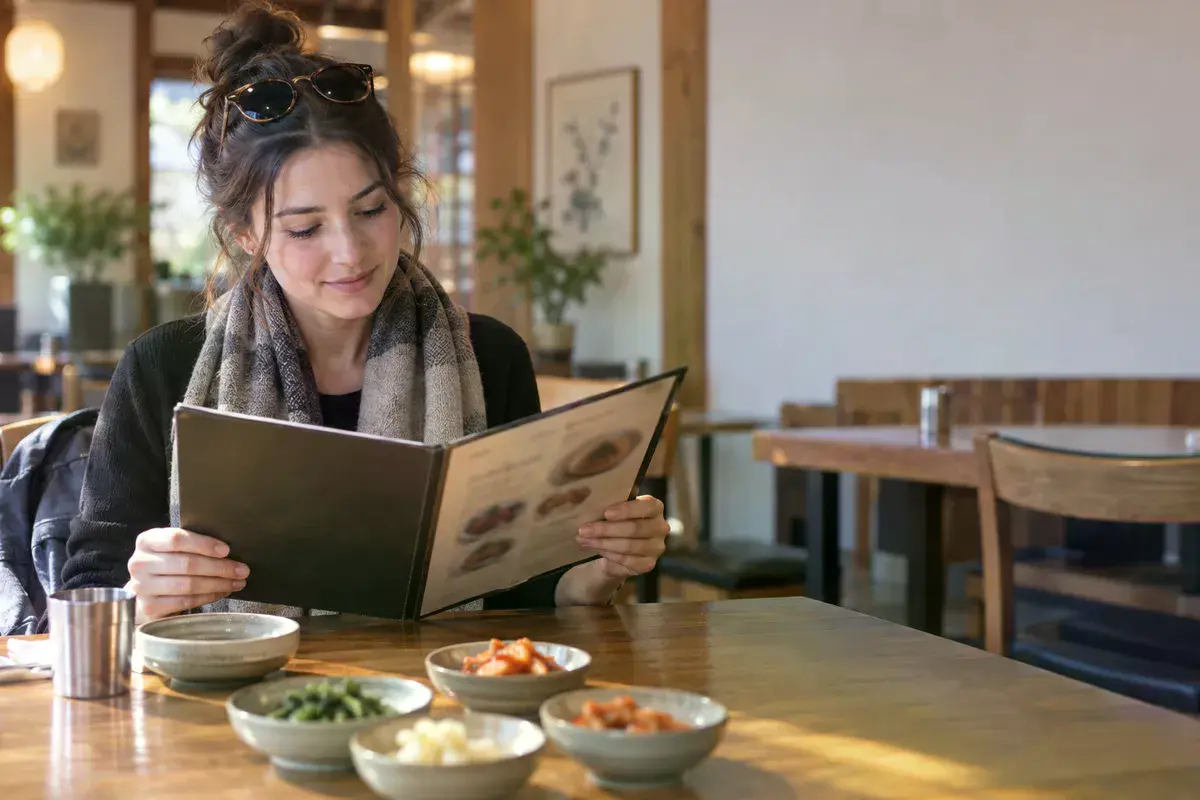
A Guide to Ordering and Dining Etiquette in Korean Restaurants Without Feeling Lost
Using restaurants is one of the most common on-the-ground experiences during a trip to Korea. Beyond reading the menu and ordering, the way you are seated, where to get water and side dishes, and the order of payment may differ from what you are used to. Since not all restaurants operate the same way, the safest approach is to first check the notices at the entrance and any brief explanation from the staff.
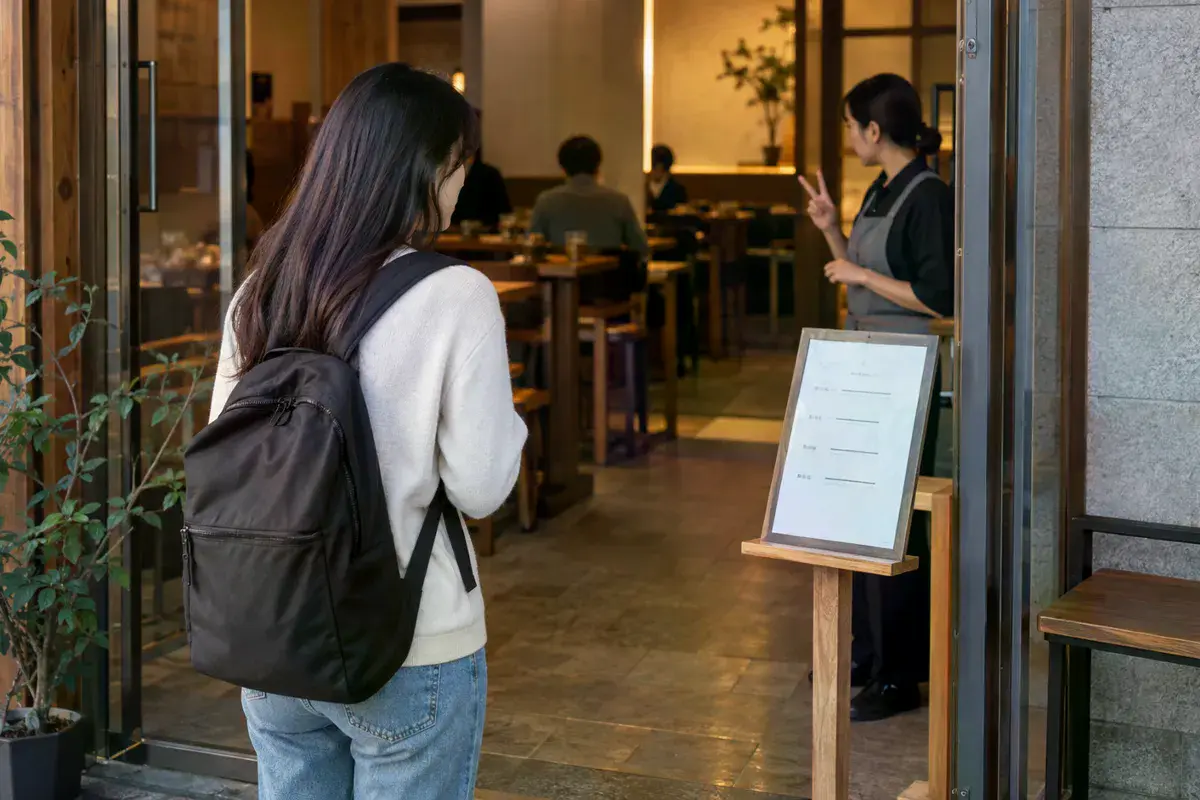
When you enter a restaurant, first check whether you can sit at an empty table right away or should wait for staff guidance. If there is a waiting list, kiosk, or numbered ticket at the entrance, that process may come first. Seating may differ depending on whether you are visiting alone or with a group, so you can reduce unnecessary misunderstandings by first indicating the number of people with gestures, short English, or a translation app.
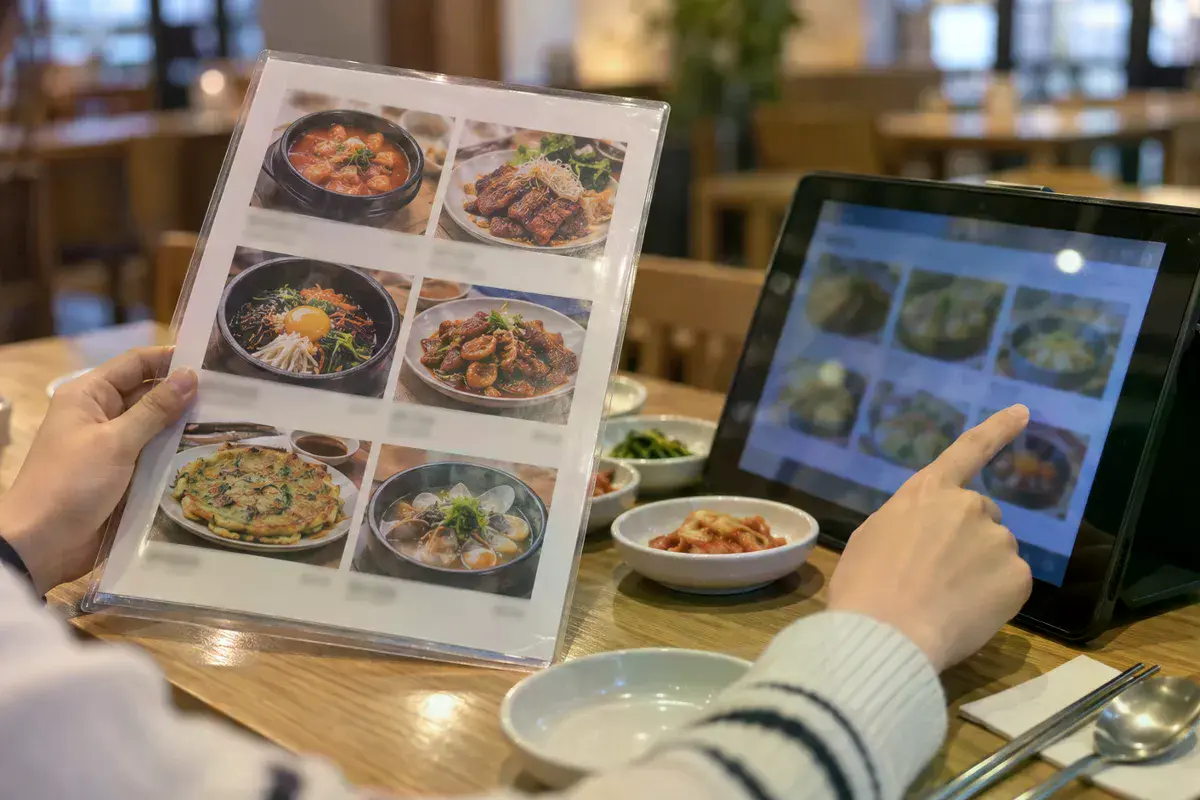
Ordering methods vary and may include speaking directly to staff, pressing a call button at the table, or using a kiosk at the entrance or table. A photo menu can make it easier to see what the food looks like, but important ingredients such as spiciness, meat broth, seafood, or nuts can be hard to judge from photos alone. If allergies, religious dietary rules, or vegetarian choices matter to you, it is best to check the restaurant’s information or confirm with staff before ordering.
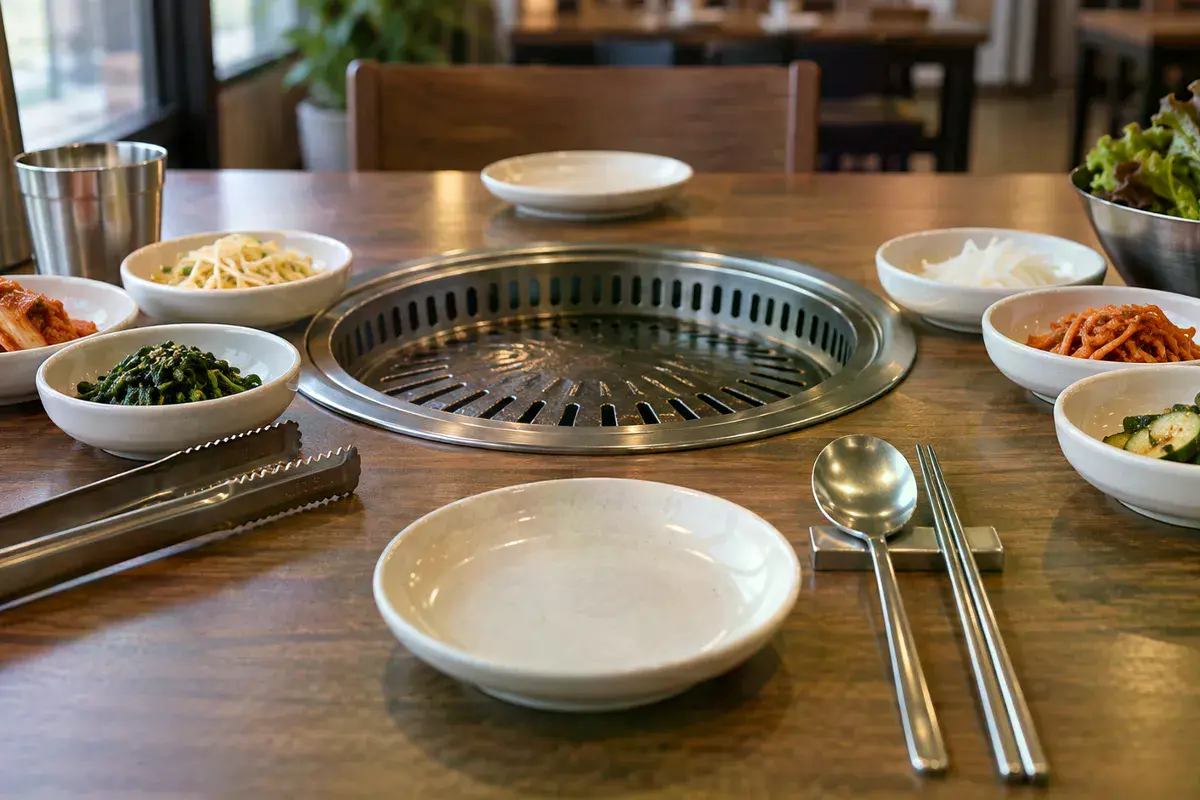
In Korean restaurants, basic side dishes or water may be served together with the meal, but what is provided and whether refills are available differ by restaurant. In some places, you take them yourself from a self-service area, while in others you need to ask the staff. Side dishes are often shared by several people, so it is better to be careful about repeatedly putting your personal chopsticks into shared dishes. If needed, check whether small plates or tongs are available.
During the meal, it is more important to read the atmosphere of the place than to follow strict rules. The pace of eating and the utensils used may vary depending on the type of food, such as soups, grilled dishes, or noodles. If scissors, tongs, an apron, or wet wipes are placed on the table, they may be meant for use with that food. If you are unsure how to use something, it is more natural to ask the staff briefly than to watch nearby guests for a long time.
Some restaurants let you pay at the table, but many require you to go to the cashier. If you have a receipt, order slip, or table number tag, it helps to bring it with you. In general, many restaurants do not expect a separate tip, but the restaurant’s posted guidance takes priority for service charges or payment policies. When leaving, check whether you are asked to return trays, separate trash, or tidy your seat, and if there is no guidance, see whether it is okay to leave things as they are.
 What to Check When Using Public Transportation in Korea for the First Time